



How diet can impact a dogs behaviour

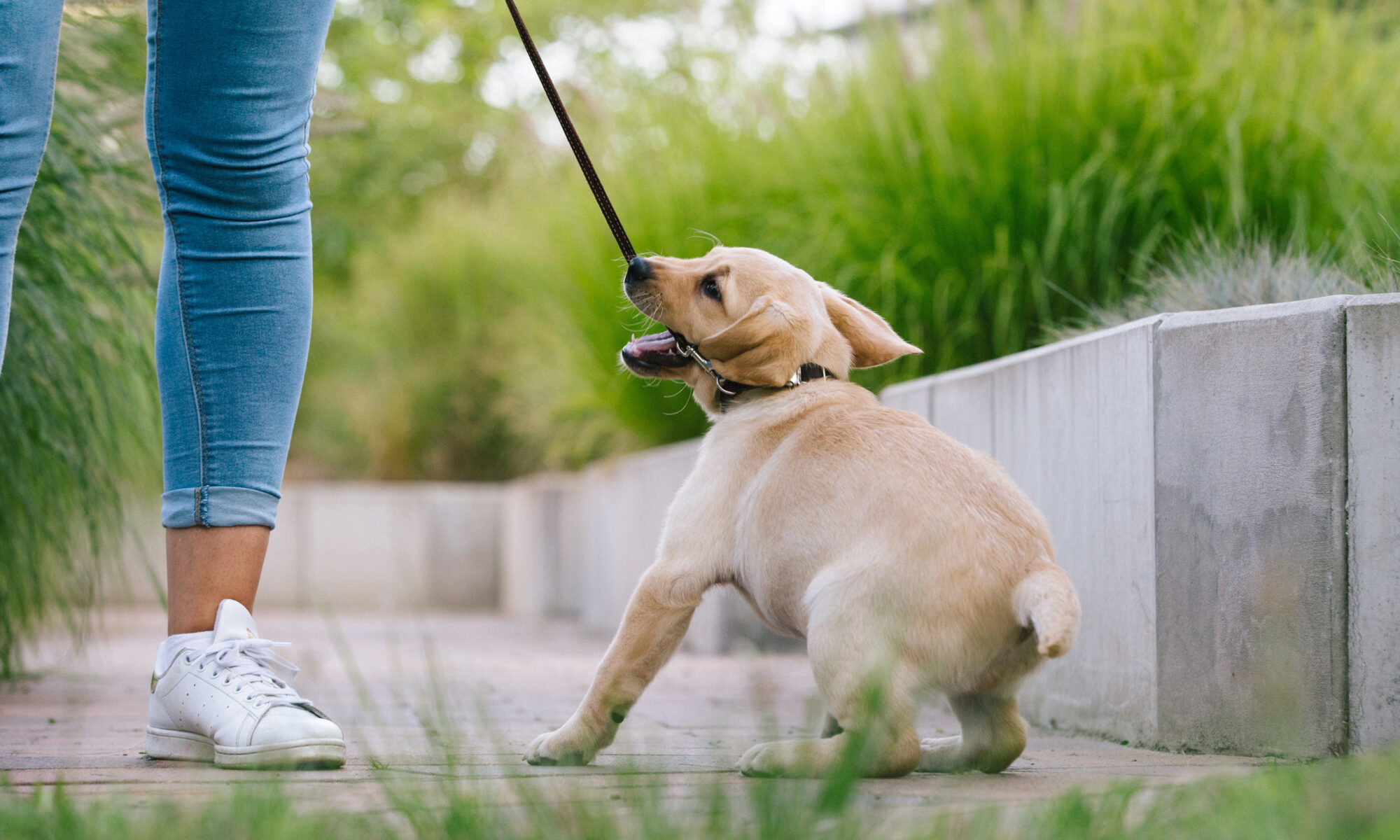
Labrador puppy tugs and bites at the leash

How diet can impact a dogs behaviour

The implications of diet on puppy brain development and subsequent trainability and socialisation, cannot be overstated. Unfortunately, when a dog misbehaves or doesn’t seem able to focus, diet is rarely considered.

We know that high-Glycaemic Index (GI) carbs contribute to numerous chronic illnesses and inflammation in dogs, but did you realise that they could also negatively affect brain function, behaviour and trainability? 
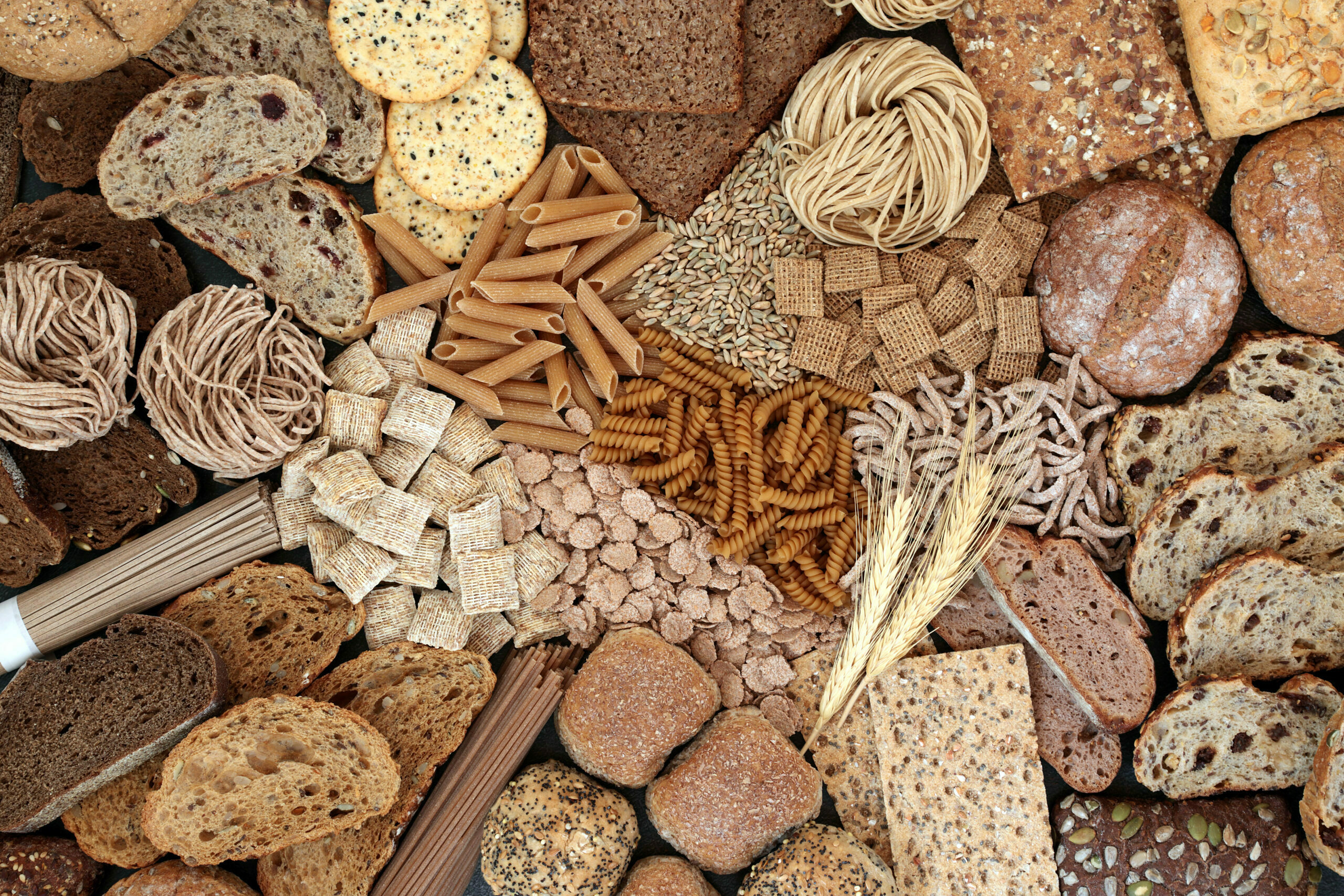
Image of processed carbohydrate food i.e. bread. pasta, wheat

What is the difference between high-GI & low-GI foods?

Carbohydrate foods that are broken down quickly by the body and cause a rapid increase in blood glucose have a high GI rating.

Low-GI foods are those that contain carbohydrates that are digested slowly, which means energy is sustained for long periods of time.
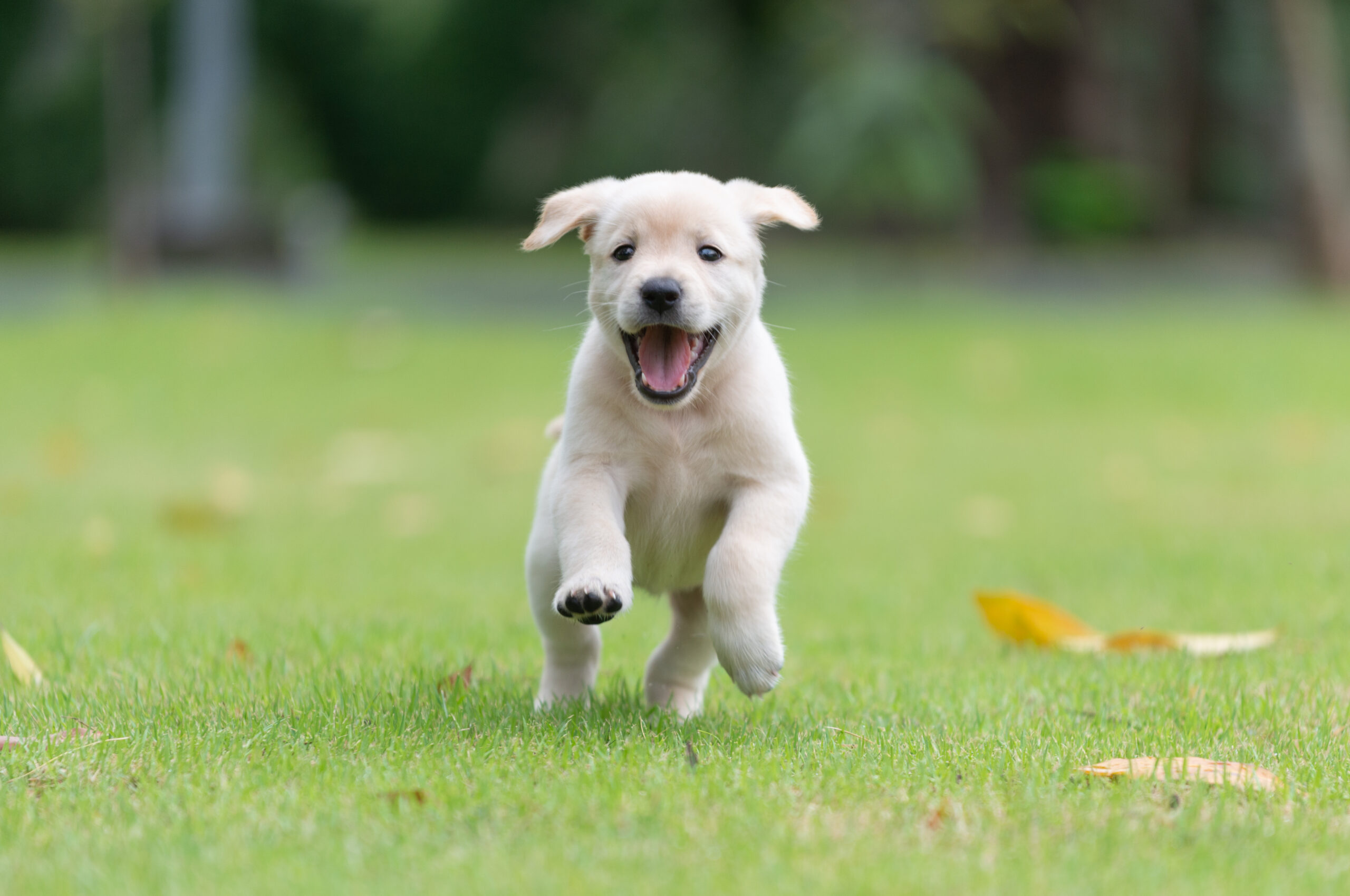
Happy puppy dog running on playground green yard

How does this affect my dog’s behaviour?

Have you ever experienced a child who becomes wildly hyperactive shortly after consuming sugary food or drink and then crashes into sleepiness an hour later? High GI foods which contain corn, wheat and starches create similar mood swings in dogs. After ingesting dry foods dogs experience a ‘sugar high’ in the form of hyperactivity (the zoomies) and a resulting lack of focus and negative impact on a dogs behaviour.

Pet parents often mistake this as ill-mannered and uncooperative behaviour when it is actually food related. The high is followed by a low which can cause dogs to become sleepy, lethargic, moody and irritable.
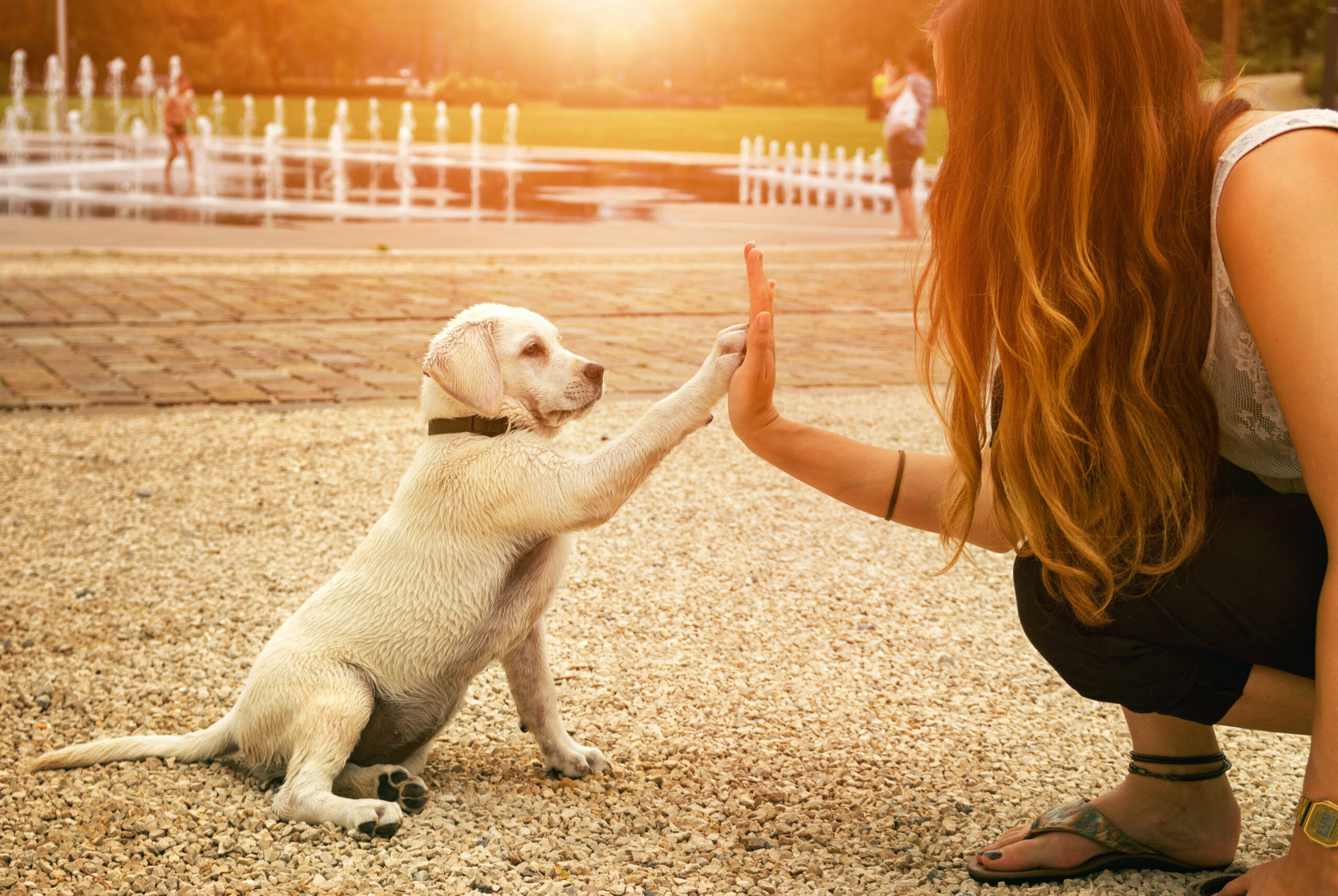
Labrador puppy giving high-five with owner
High glycaemic foods can also lead to hunger-related behavioural problems. Simple carbohydrates digest and absorb fast, leaving dogs feeling hungry again quicker. This effect can lead to undesirable begging behaviours or even munching on inappropriate “foods” such as shoes and furniture.
Labrador pup laying down on belly

Essential amino acids in protein

Tryptophan and tyrosine are amino acids found in high levels in meat proteins, and act as building blocks to neurotransmitters. Neurotransmitters play an important role in regulating everything from heartbeat and digestion to behaviour and mood. Tryptophan is the precursor to serotonin, the neurotransmitter that promotes a feeling of calm, relaxation and well-being. It is found in large quantities in meats such as Turkey, which is why we feel calm after Christmas dinner. When Tryptophan crosses the blood-brain barrier it can double serotonin synthesis in the brain. Insufficient levels of dietary tryptophan have been associated with aggressive behaviour, depression and elevated stress hormones such as cortisol. Tyrosine, the amino acid precursor to dopamine, has been shown to improve stress hormones and is also found in high amounts in meat. Dogs who suffer from anxiety benefit from a raw diet because of the high bioavailability of Tyrosine and Tryptophan in meats such as beef, chicken, turkey, and salmon.

Put simply, dogs are calmer and easier to train when fed a diet high in a variety of quality raw proteins and low in synthetic nutrients and processed starchy carbs.
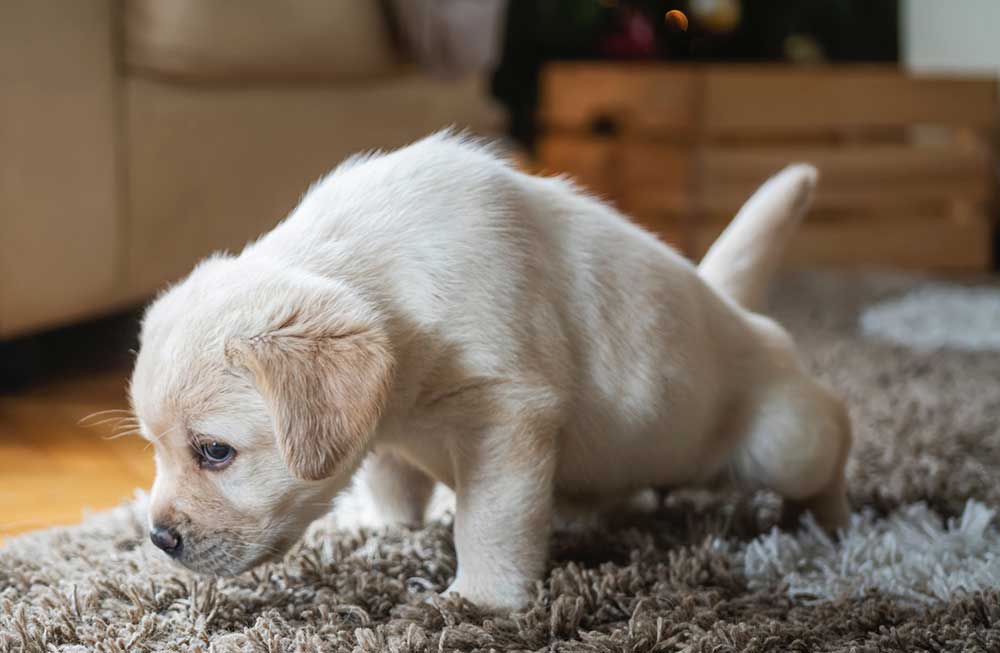
Labrador puppy urinating on rug

Toilet Training

Dry feed dogs and puppies need to drink significantly larger amounts of water to maintain normal bodily functions this is due to the fact dry dog food can only have 10-12% moisture to help extend it’s shelf life. Where as fresh raw food contains up to 60% moisture. A dog needs to drink 4 cups of water for every cut of kibble to make up the moisture content lost during the production of dry dog food. Dry food also requires a lot of water to be digested and broken down. Kibble is coated with palatability chemicals and salt simply to encourage dogs to eat it. This combined with the lack of h20 in the food increases their thirst.

Raw fed dogs and puppies maintain a higher level of natural hydration as the food they are consuming contains water. This makes it much easier to toilet train puppies as they don’t have their head in the water bowl as often and consequently need to pee less frequently. They also pass less solid waste matter as dry food contains a large portion of indigestible filler ingredients.

References
Canine Nutrigenomics by W Jean Dodds DVM and Diana Laverdure.
Feeding Dogs: The Science Behind The Dry Versus Raw Debate by Dr Conor Brady PhD.
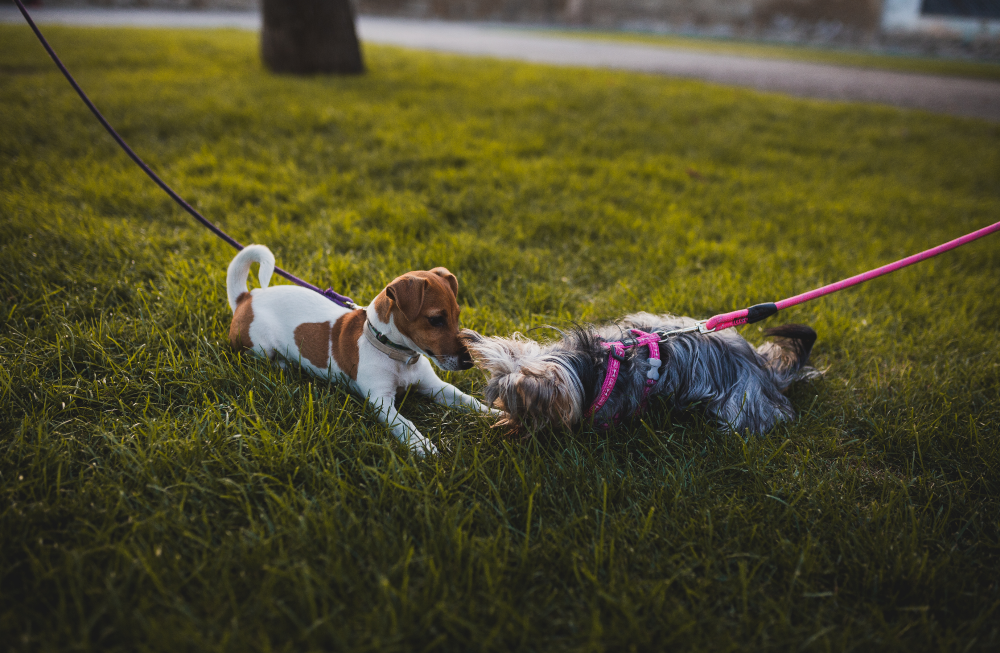
How to introduce a new dog to your existing dog

woman playing with her dogs in her sofa at home.

How to introduce a new dog

Where? How?

Introduce the dogs to one another off-territory (not at home), at a location where there is a reasonable level of other people and on-lead dog activity, and a large amount of space.

Have the two dogs at the location separate from one another for at least 20 minutes before attempting the introduction – aim to identify each dog’s current base-line emotional state in this environment (see Dog Communication below). If either dog is highly stressed in the chosen environment, abort the introduction and re-think a more comfortable environment for both dogs.

dogs meeting on lead

  • Both dogs will be on-lead. Inspect all equipment such as leads, collars, harnesses to ensure they are in good working order and well-fitted so they cannot be pulled off the dog.
  • Existing family dog is handled by its favourite person; new dog is handled by another family member or a dog trainer.
  • Start at a distance of approximately 30-40 metres and aim to walk beside one another – avoid walking directly at each other.
  • Avoid tight leads. Either, or both dogs, might need to be turned away from the other if they display over-excitement or discomfort (see Dog Communication below).
  • Ensure “happy voice” is being used by both handlers to convey to the dogs that the situation is relaxed and comfortable for their people, even if the dogs are feeling uneasy. Scolding or growling voices are at risk of the dogs associating the agro to each other; that would not be a good start.

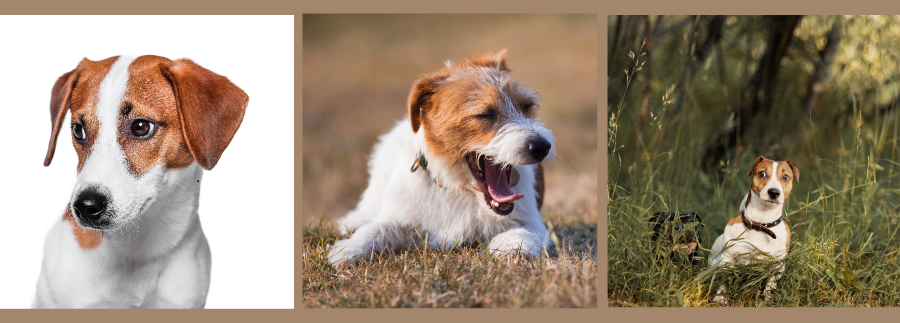
dog body language: image 1 Jack Russell unsure showing the whites of the eyes, image 2 jack russell yawning, image 3 jack russell leaning away and ears pinned back

Dog Communication

Look for it! Signs of stress in dogs include:

  • Licking lips or nose
  • Yawning
  • Hiding behind person
  • Tail tucked
  • Ears back
  • Flushed inside of ears
  • Whale eyes (whites)
  • Panting
  • Taking food treats roughly
  • Leaning away or trying to move away
  • Excessive attention seeking
  • Standing tall, on tippy-toes
  • Hyper-vigilance
  • Not wanting food treats that are normally highly desired

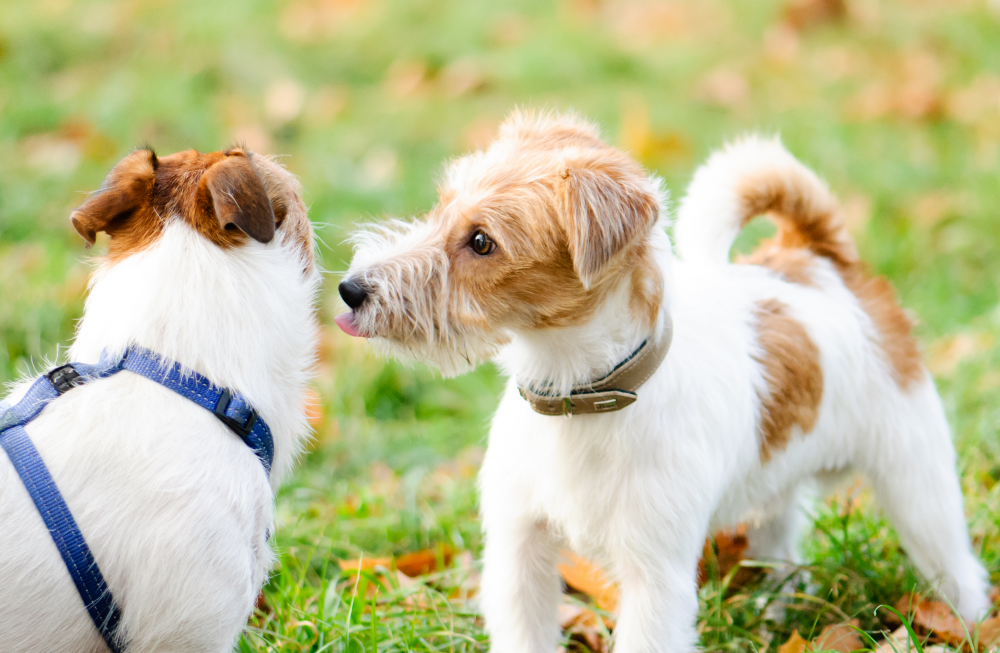
It would be unusual for none of these signals to be seen in this situation. Observe the intensity and frequency of the stress signals/behaviours, from the baseline observed before the other dog arrived.Dog standing behind another dog

Canine Social Competence

A socially-competent dog will respond to signs of stress in another dog, by attempting to reduce or remove the social pressure. Many signs of stress in dogs, double as “calming signals”, including yawning, lip-licking and looking away.

Additionally, the socially-competent dog will display relaxed body language, reduced focus on the stressed dog by sniffing the ground or being distracted by something else in the environment and will ignore emotional outbursts of inappropriate behaviour from the stressed dog (they often seem to look away in embarrassment for the other dog!!)

Socially competent dog behaviour includes:

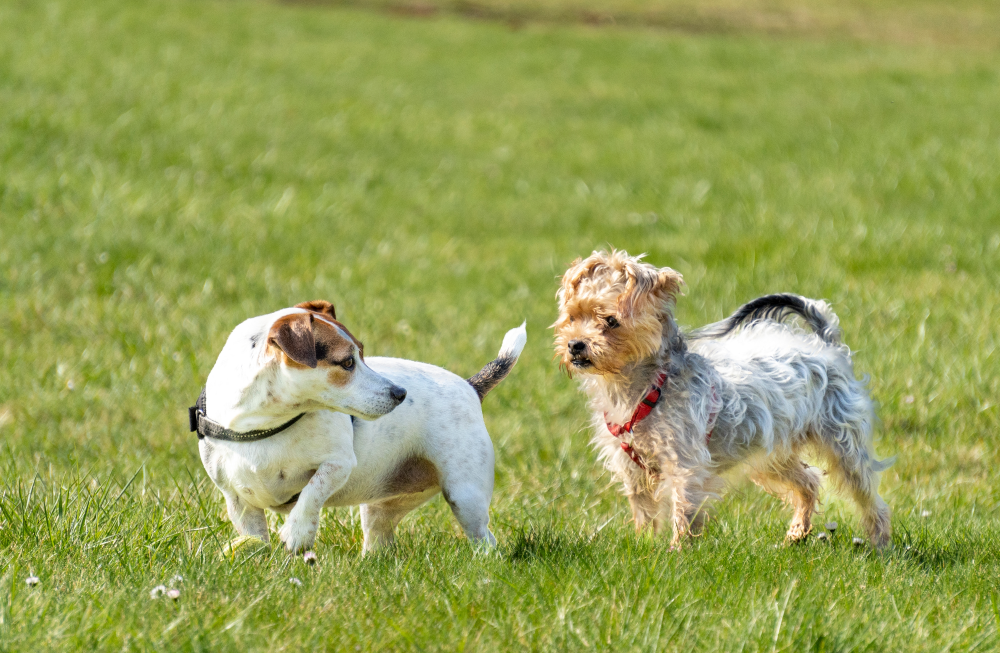
  • Approaching an unfamiliar social being (dog or person) indirectly in a calm and respectful manner.
  • The dogs should meander around and gradually approach one another, rather than rushing directly. Handlers of each dog can guide their dogs on-lead to perform this behaviour.
  • Looking at the unfamiliar person or dog with soft eyes and then breaking eye contact to remove the social tension.
  • When the dog looks at the other dog, the handler should use a happy voice and then use a food treat to turn the dog’s head and eyeline from the other dog, rather than allow him to stare for longer than is comfortable, or worse, hold hard eye-contact.

Two dogs meeting while walking at park

  • Showing some disinterest in the other dog by displaying interest in something else in the environment such as a scent on the ground.

Handlers can achieve this behaviour in both dogs by tossing food treats on the ground for them to sniff out (still at a distance from one another). Aim to toss the food while the dog is looking at the other dog – in the hope that the dog will associate the arrival of food treats with the other dog (because that was the object of attention at the time the food treat arrived).

  • Removing oneself from a socially uncomfortable situation, rather than rushing in and making a fool of themselves (so to speak).

Handlers should look for increased frequency of stress signals or attempts at socially incompetent behaviour such as barking, lunging, rushing at the other dog, hard eye-contact or not taking the normally highly-desired food treats; and respond with quickly retreating the dog, whilst continuing using their happy voice. The handler may need to be assertive to insist the dog retreats away from the other dog.

Both dogs must be allowed to maintain distance or move further away if they want to – avoid trying to rush either dog; it will take as long as it takes.

  • Head-to-tail is the dog equivalent of our hand-shaking.

If all has progressed well to this point, ensure the head-to-tail is allowed only until one or both dogs stop or move away. Avoid excessive standing around that will start to feel awkward and result in a spat because one or both dogs didn’t know how to politely diffuse the social awkwardness.

Instead, now is the time to go for a walk together. The dogs can enjoy exploring their surroundings in the presence of one another. Ensure that the distance between the two dogs varies – move them a few metres apart to provide a “breather”, before returning to walking closely again.

Tip: Rushing the dogs or encouraging them to move closer is not helpful. The process will take as long as it takes!!

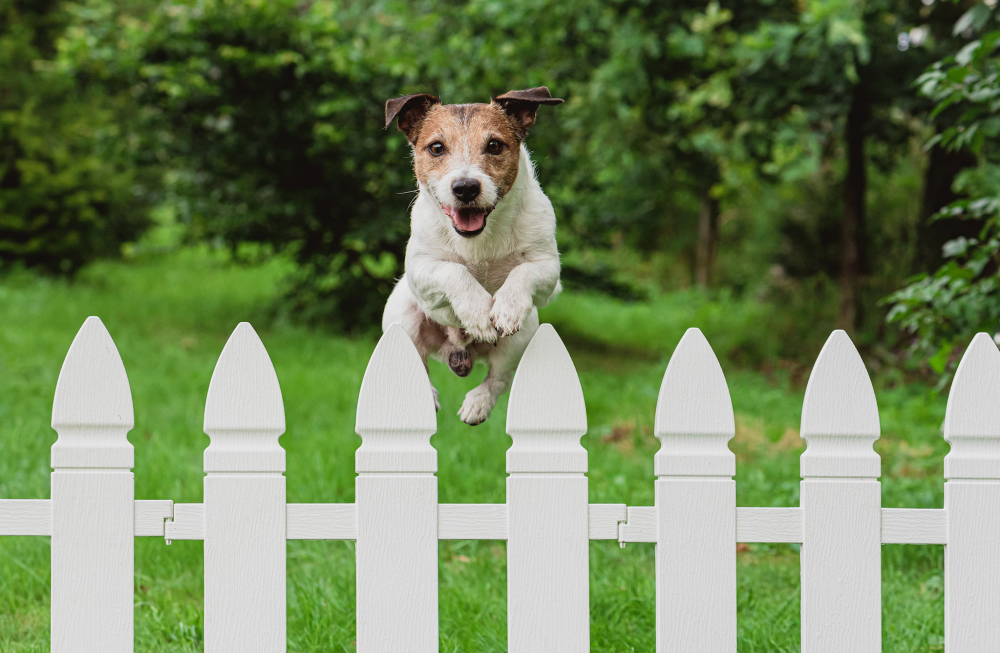
Jack Russell terrier jumping over fence

Avoiding Over-Arousal

Make a list of the existing dog’s favourite things in the world. Life might revolve around favourite toys and games; or perhaps food is the centre of the universe. Picking up the dog lead or car keys might cue hyper-excited, out-of-control behaviour.

A family member returning home might be met with mayhem. In a hyper-excited (over-excited) state, the dog has reduced thinking capacity and will be more likely to react without much thought in the current out-of-emotional-control situation. If the new dog is present in these situations, it might find itself on the receiving end of a redirected or unintentional snap or bite and this could well be the onset of relationship problems between the two.

Ensure that both dogs are managed (use leads, a dog crate, different rooms, child-gates, etc) during times of potential over-stimulation. You won’t necessarily know the triggers for the new dog, of hyper-excitement, so err on the side of caution and assume that anything to do with food, toys/games, going outside, coming inside and anything that over-excites the existing dog, could be potential problems.
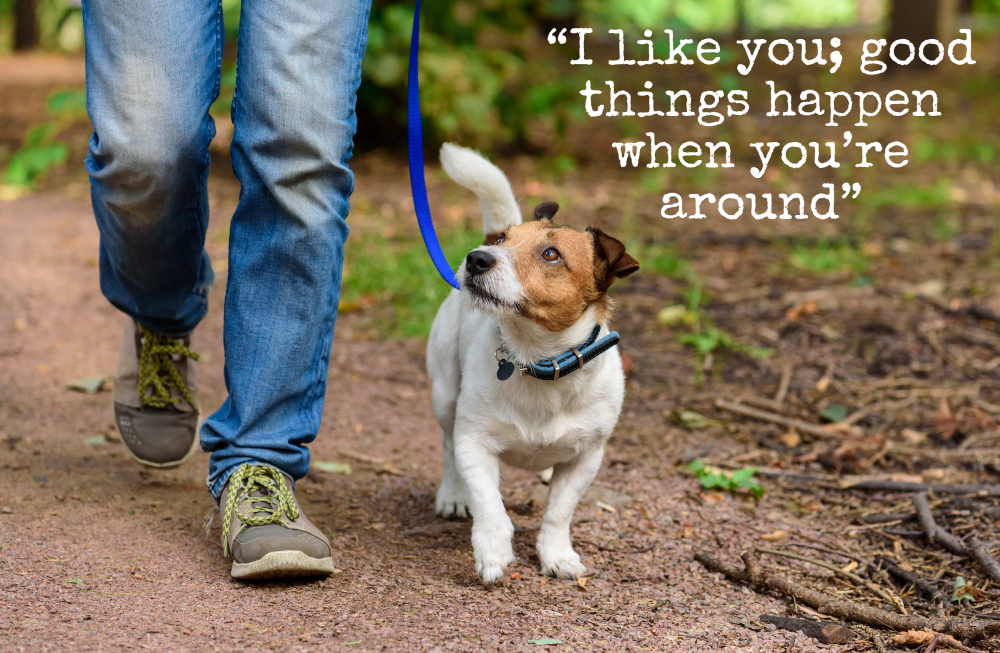
Jack Russell terrier walking and looking up at owner with caption "I like you; good things happen when you're around"

• One dog enters the room – the other dog is praised and petted and maybe even receives a food treat.

• The dogs are fed their meals, food puzzles, food-stuffed toys and bones in one another’s company. Consider securing each dog by lead so that they are unable to intrude on the other.

• Use only happy voices when both dogs are present. In the event of poor behaviour, consequences are most effective; your voice doesn’t need to add drama and intimidation; and risk being associated to the presence of the other dog.

For example: both dogs are in the living room with the family when one dog starts barking at a real or imagined noise. You can mark the behaviour as incorrect with your voice in a neutral tone, “Nup! That’s not acceptable behaviour!” or whatever. You must immediately interrupt the behaviour and remove the dog – the backyard or a crate.

The punishment is loss of freedom and social access; your aggressive voice is not needed. In fact, your scolding voice might be interpreted by the barking dog as you giving your support. Your actions are so much clearer than your aggressive voice.

Introducing a new dog to your family can be highly satisfying and rewarding for all. However, if the presence of the new dog is causing ongoing stress to the family or either dog, the situation is simply not viable.

A qualified dog trainer might be able to help, but in some cases, two individual dogs are never going to be comfortable in each other’s presence for a range of possible reasons.

Quality of life of both dogs and the family is likely to be detrimentally effected and consideration will need to be given to rehoming one of the dogs for everyone’s best welfare.


Top 5 tips for preparing your dog this Christmas

Jack Russell dog sniffing at gold bauble on Christmas tree

Top 5 tips for preparing your dog this Christmas

The decorations are appearing in shops and at home, school holidays have started and everyone is (or should be ? ) starting to get into the holiday spirit. The energy will be up, there is more activity around the household and our dogs will start to notice this change in the atmosphere.

Dogs love routines and to be honest the majority of dogs like to take their time in meeting new people and can struggle when there is an influx of strangers into their home. So it is important that you take the time to plan and try implementing our top 5 tips to help  your dog to enjoy this time with your family and friends.
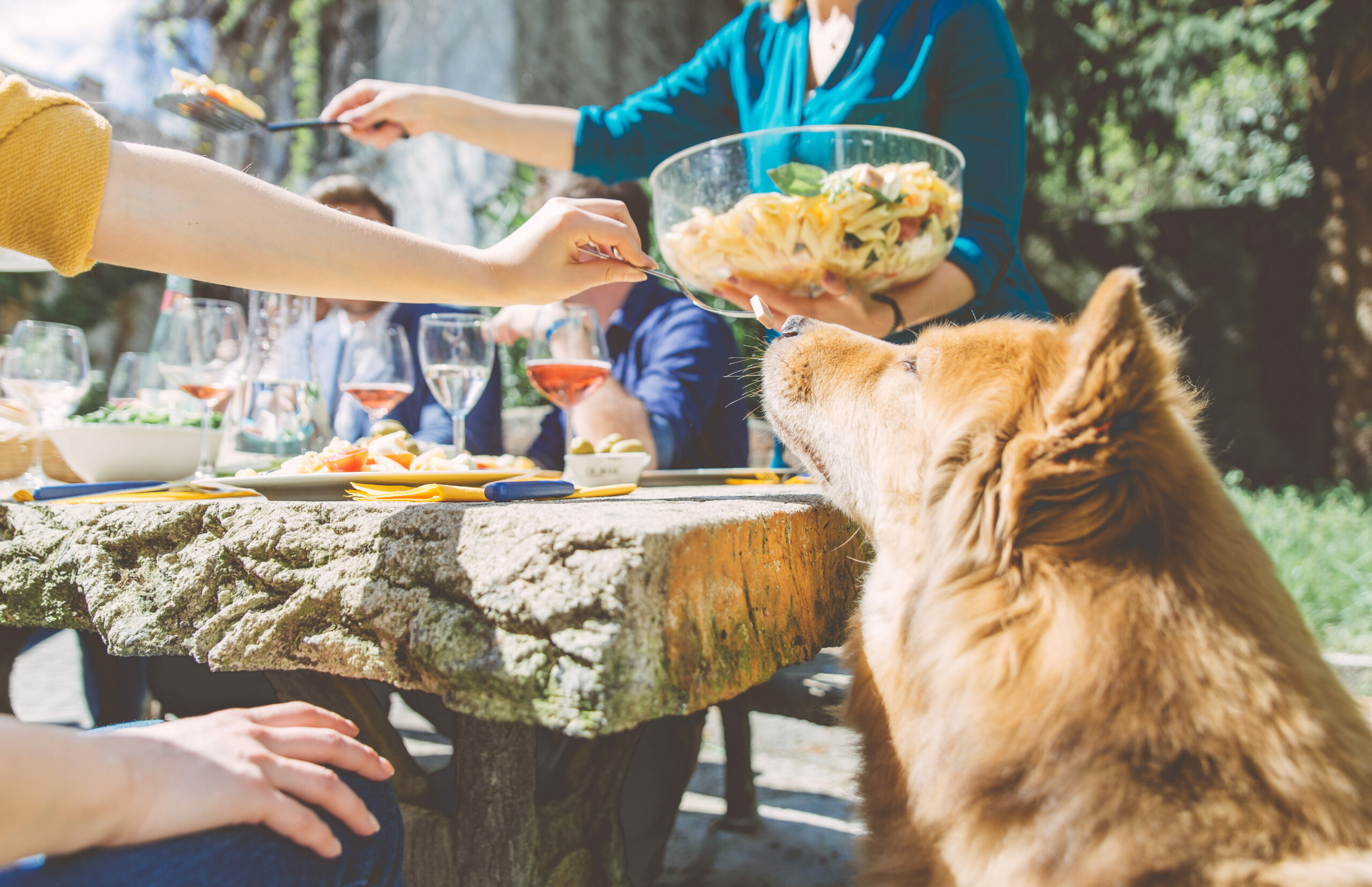
dog end of outdoor table, sniffing at food being served

Tip 1 – Advance notice of the rules!

If you have family and friends coming over to visit for the day or staying for an extended period of time, it is important to let them know ahead of time the rules of engagement for interacting with your dog.

Advance notice of these rules will help keep structure for your dog as well avoid any bad habits developing during this time. Rules such as

  • Not being allowed on beds,
  • No food from the dining table,
  • Let the dog approach you instead of reaching out to the dog (especially important for nervous, unsure or anxious dogs),
  • Leave the dog alone when eating or sleeping this is especially important for young children to understand. etc.

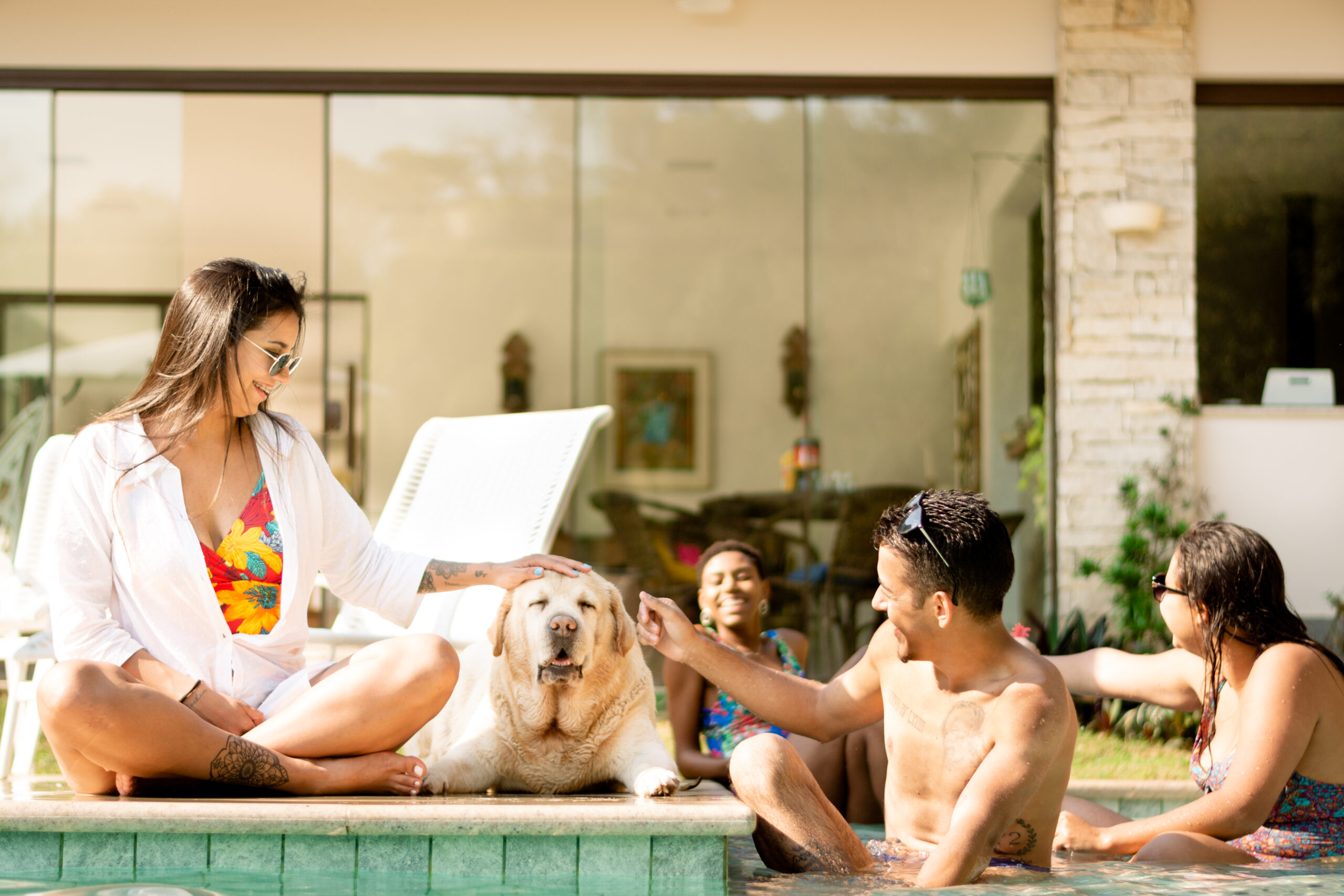
dog by pool with a group of humans

Tip 2 – “Let the dogs out” when all humans are settled!

When family and friends first arrive there is generally a lot of excitement, some squealing, hugging, maybe even some shouting. This can be quite overwhelming for our dogs!

If your dog is crate trained or has a safe space in another room, let your family & friends know that while your dog is in their create/safe space no one is to interact (look or touch) the dog. Once the humans have settled down and your dog has time to adjust to their presence then you may want to let them out to meet the humans in a calm manner.

If you are interested in learning more about crate training check out Vicki Austin’s guide here.
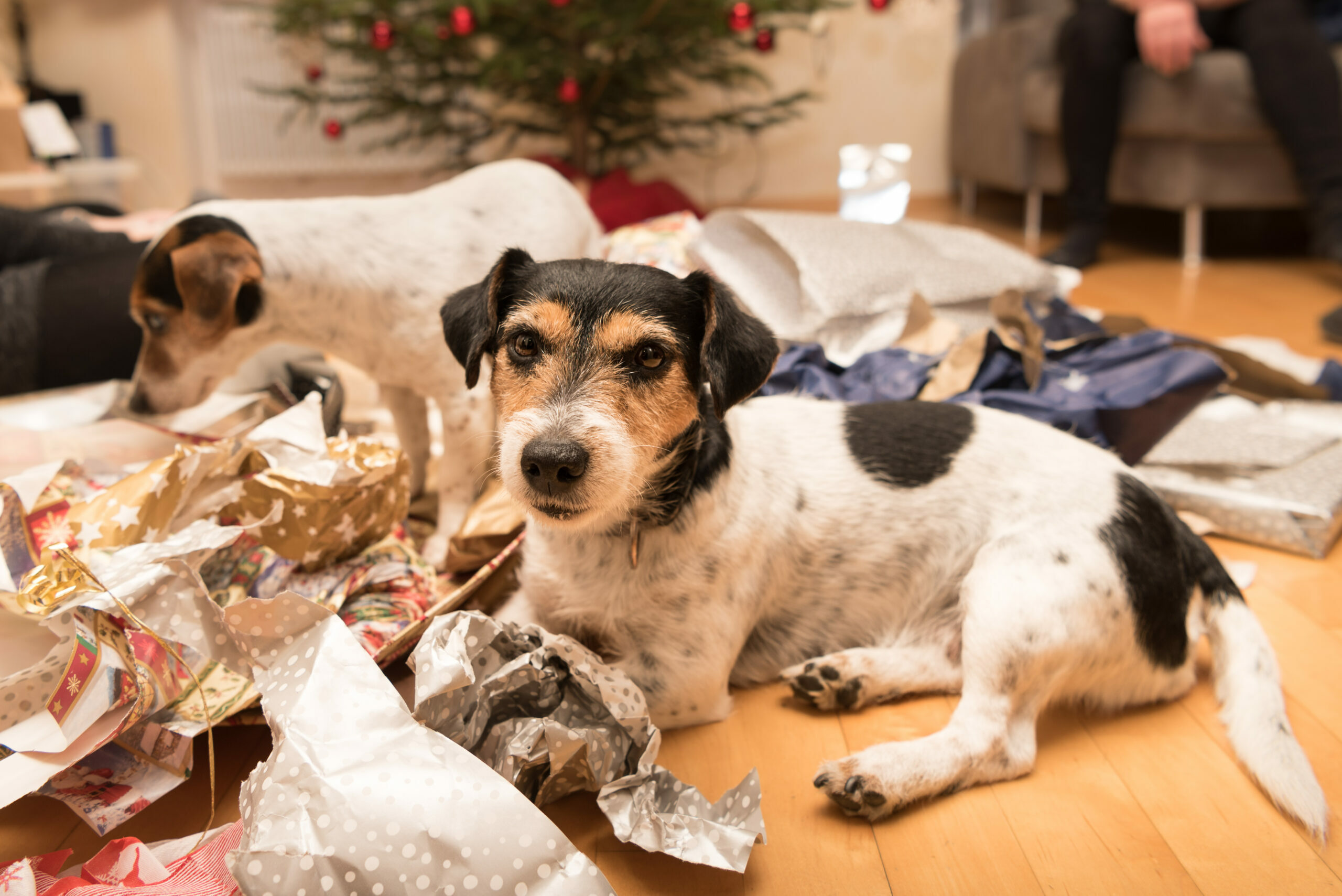
Jack Russell surrounded by wrapping paper

Tip 3 – Keep decorations, wrapping/packaging away from your dog

Whilst it can be fun and tempting to allow your dog to tear open wrapping paper and boxes, these can cause obstruction issues if swallowed. Plastic packaging can cause cuts around the mouth if your dog chews on them and most importantly if batteries are included in the gift make sure the dog does not get a hold of them and swallow them otherwise it may be a trip to the emergency vet for an expensive stay.
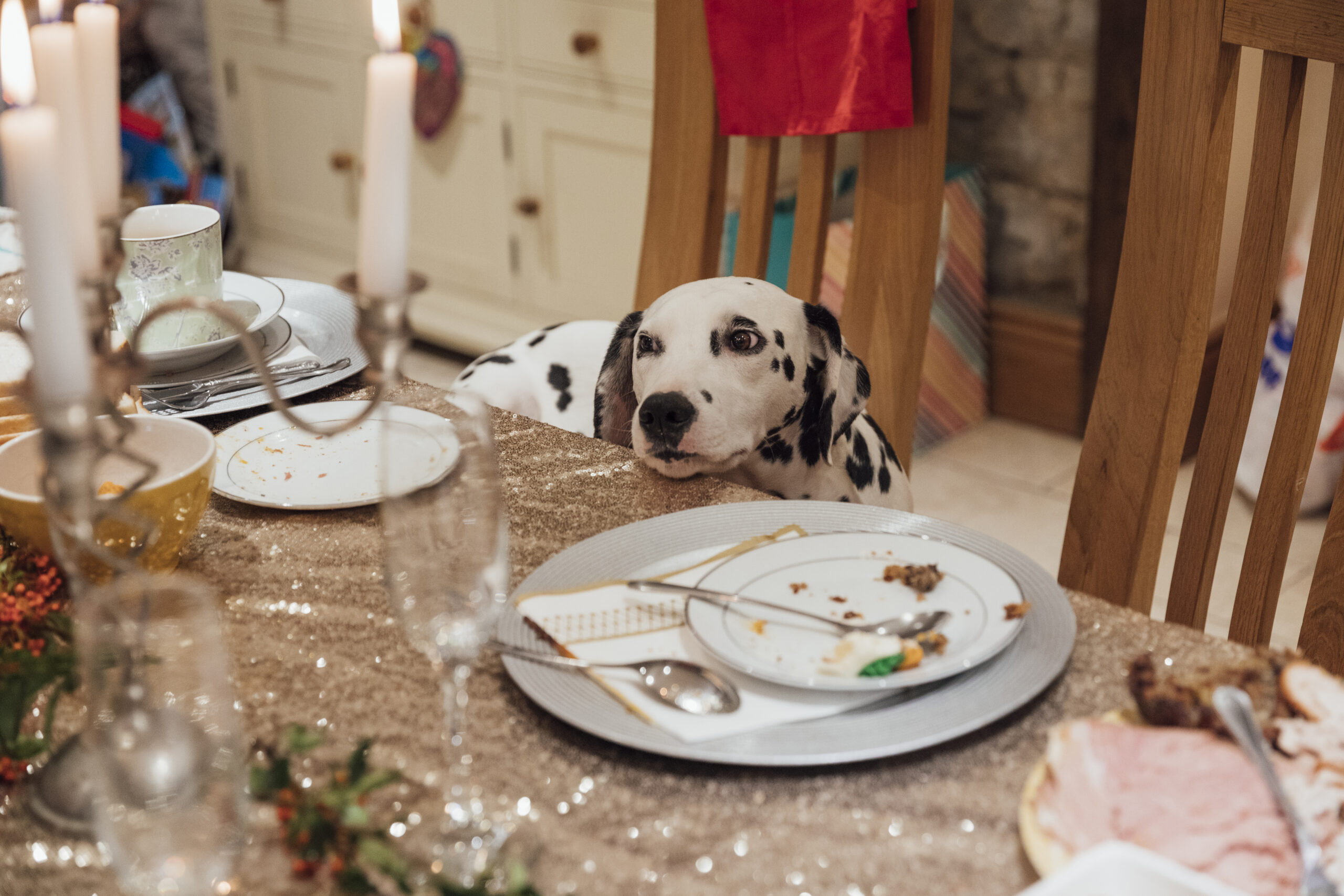
dalmatian sniffing at food scraps on table

Tip 4 – Pet proof your garbage

With so much food preparation the kitchen and bins are going to be smelling AMAZING to your dog, so make sure all food is stored securely. All garbage is put away straight away and your dog cannot access it. Empty the bins often, don’t let them get too full so that your dog can get to it.
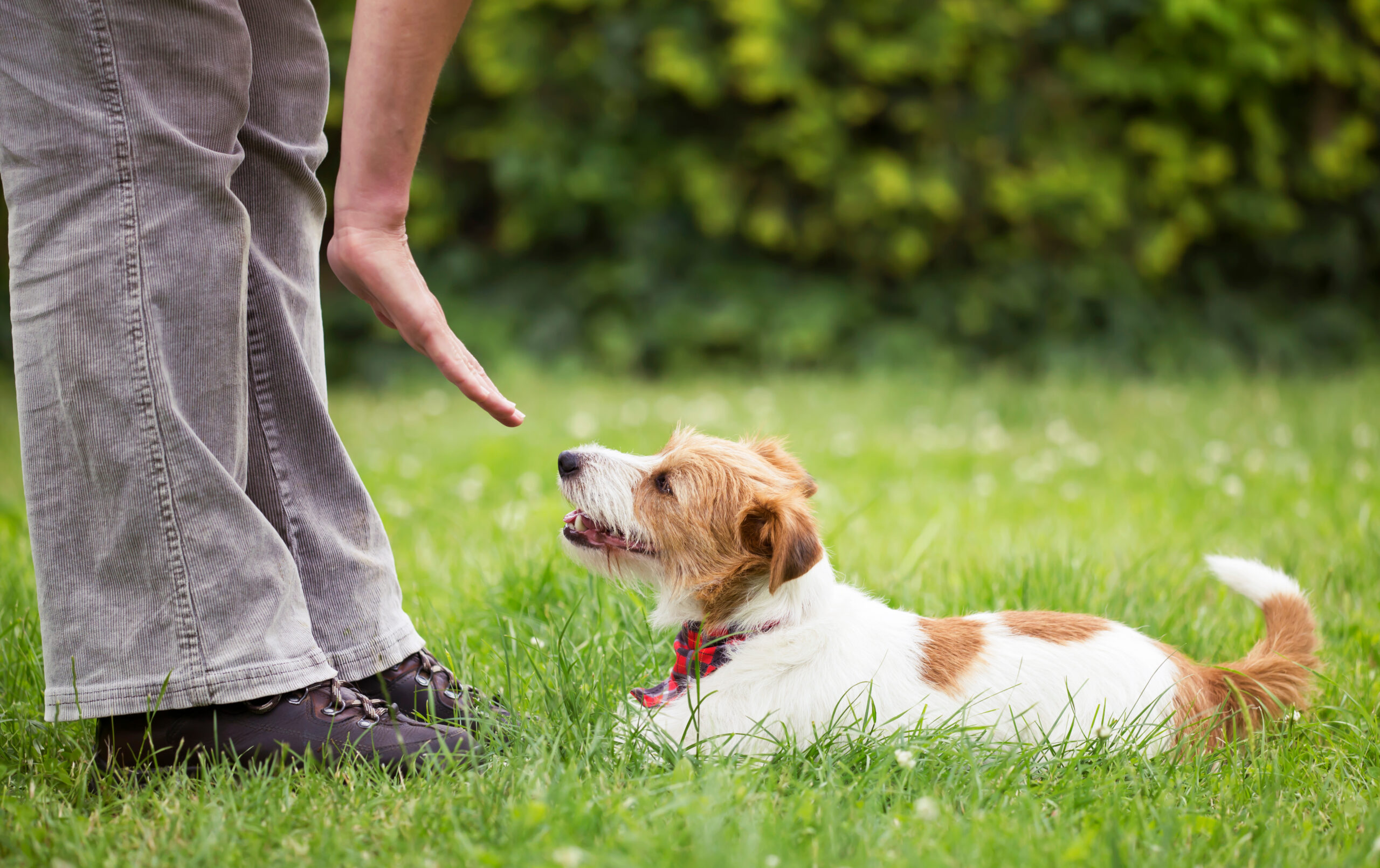
Jack russell training in down position

Tip 5 – Brush up on your dogs obedience training

In the lead up to friends & family arriving, set aside 10-15 minutes per day to practise your dog’s obedience training either with their daily portion of food or their favourite treats, so that both your dog and your family remember what the rules are. If you have an exuberant dog, you want to consider doing some training with your dog just before your guests arrive so that your dog is mentally tired and less excited when your guests arrive.

Remember, it only takes a little time and effort to ensure your pet will be safe and happy – the last thing anyone wants is having to spend holiday time with your pet at the vet or your dog developing any reactivity due not having the space and time to adjust to the changes around them.

Enjoy the festive season and have a great time together!